Archive

Primavera

 Primavera
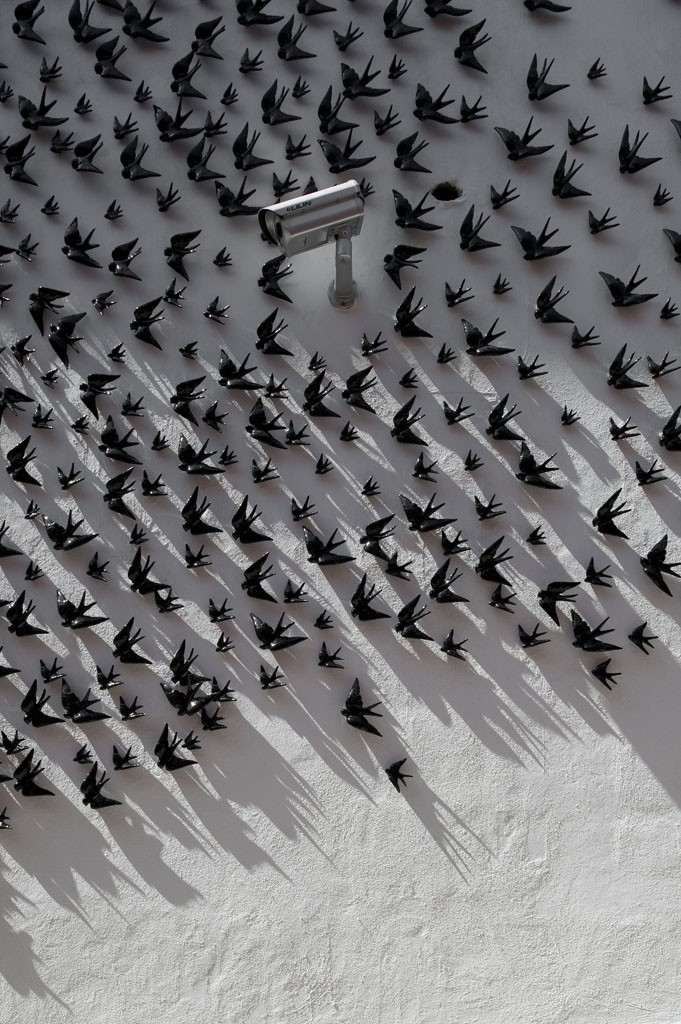
Installation for Projecto Travessa da Ermida
Lisbon, 2009 

Photo credits: FGSG Fernando Guerra + Sérgio Guerra

 They sing, chirp, tweet, cheep, peep, chit, chirr, warble, trill… many swallows produce a lot of sound, but their sound is more like a pleasant rumor. One that announces the arrival of mild weather and flowers. Aristotle used to say that “one swallow won’t make Spring”, but when many can be spotted, then it’s a clear sign that the cold days are over.
They come over from Africa on a 20000 km journey returning to the eave where they were born. Always.
Sang, declaimed and perpetuated in clay sculptures that we scatter around our homes, the clay swallow is part of our culture and collective memory. The first record of decorative clay swallows dates back to 1891 and belongs to Rafael Bordalo Pinheiro. Different versions followed the first one, and since then they became a treasured token of the Portuguese Spring used for embellishing facades, chimneys and balconies here and there all over the country. They are like a signal indicating those arriving from afar where to build their nest. A yearly memory cheering up the ones missing the warmer days.

Photo credits: FGSG Fernando Guerra + Sérgio GuerraPhoto credits: FGSG Fernando Guerra + Sérgio GuerraPhoto credits: FGSG Fernando Guerra + Sérgio Guerra

 Invited by Spring and by Ermida Nª Srª da Conceição, studio Pedrita has crafted a special celebration for Spring 09 inviting 2000 clay swallows to return to Lisbon. A custom edition was specially produced by Bordalo Pinheiro using their original mold, and with a painted finishing developed specifically for the case of this installation. The swallows are scattered along Travessa do Marta Pinto indicating the way to Ermida, where they finally gather together on a scenic moment against the building’s facade, revealing it to the passersby and remembering everyone about the charms of the season.
This is a project as we like doing them… simple. Working on it during a particularly cold winter, this project is filled with references to the Portuguese folk culture, and relates to the working tradition and highly relevant heritage of Bordalo Pinheiro that we hereby duly remember. We would also like this project to be an omen to better days ahead. A sign of joy and hope in a pessimistic and indolent country.
The installation opened to the public on the first day of Spring, March 21st, 2009, in ensemble with the work of João Noutel “Giant, The Voyeur Project”. By an happy coincidence, on the same date it is celebrated the 163 anniversary of the birth of the acclaimed illustrator, cartoonist, sculptor and ceramist Rafael Bordalo Pinheiro.
Ermida Nª Srª da Conceição is a cultural project aimed at promoting the city area of Belém and the work of young artists of different working fields. Opened for the first time on 24 July 2008, it has exhibited the work of artists such as Rui Chafes, João Maria Gusmão, Pedro Paiva, Albuquerque Mendes, Miguel Palma and R2.
The swallows of Bordalo Pinheiro can be bought in the shop “A Vida Portuguesa”, which since 2006 sells a bluish black re-edition according to the original mold of Bordalo Pinheiro, that represent the most beautiful and steadfast Portuguese swallows.

Photo credits: FGSG Fernando Guerra + Sérgio Guerra Photo credits: FGSG Fernando Guerra + Sérgio Guerra Photo credits: FGSG Fernando Guerra + Sérgio Guerra

 Production assistant

Catarina Violante

Special thanks
Elsa Rebelo
João Ricardo
(Faianças Artísticas Bordalo Pinheiro)

Very Special thanks
Gonçalo Prudêncio

Photography
FG+SG Fernando Guerra + Sérgio Guerra 

EEC

Electronically Enhanced Ceramic
Research Project
Lisbon, 2008

Photo credits: Pedrita studioPhoto credits: Pedrita studioPhoto credits: Pedrita studio

Ceramics are part of our daily goods. Either for utility or decorative proposes ceramics are an established material for what regards objects that satisfy different needs for home or industrial uses. For ages men collected and developed technologies, first, to shape it, and second, to decorate it. From strictly utilitarian to way decorative, numerous shapes and designs take part of our lives everywhere we go. And so much is still there to be found about this multifaceted resource.
EEC stands for Electronic Enhanced Ceramics. It is a research under development by studio Pedrita that relfects upon metallic decorations on ceramics. Could the fact of these being electrical conductors be a start to new perceptions about the way we interact with ceramic objects? Or in the way they relate themselves? Could decorations be a pleasant shortcut for interfaces that combine ceramics with electrical devices? Would this allow a kind of next level in ceramics exploits?

eec-circle

Flexibility

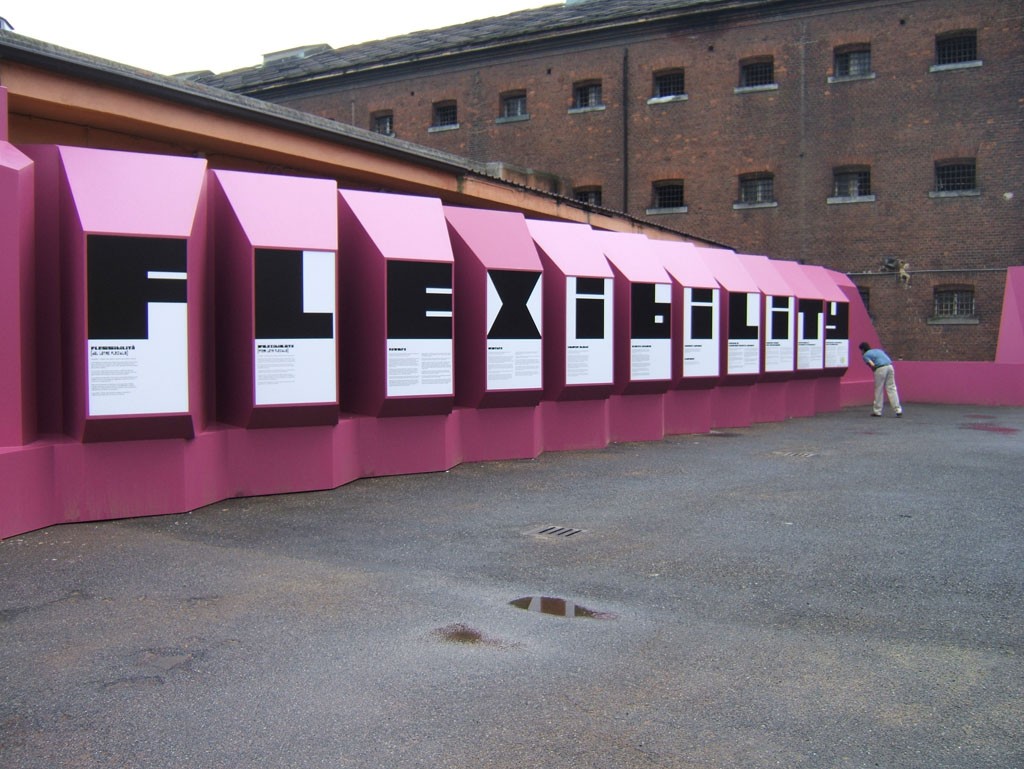
Flexibility, design in a fast changing society
Curatorial assistance + research
Turin, 2008


“Labyrinths of roads, agglomerations of buildings, mazes of relations. In 2050 over 90% of the world’s population will live in cities, places that already today are characterized by growing complexity. The urban panorama is a system of close-knit connections between material objects and immaterial factors produced by man. An often chaotic space, that conditions, restrains and sometimes paralyses movement, considerably reducing the space for manoeuvre of individuals. Too often, in fact, the structure and products used every day are characterized by rigidity and poor adaptability.
In this scenario, flexibility becomes a need and a response at the same time. Flexibility as a need to break down walls, to leave well-trodden paths, to step away from pre-packaged solutions.
Flexibility as a response: an attitude that allows individuals to react to a context that changes at ever-increasing speed and produces unexpected results, sometimes with an explosive impact.
The exhibition “Flexibility – design in a fast-changing society” poses questions about bonds between flexibility and design, where flexibility is intended as the ease with which a system or components of it can be modified and adapted for use in different applications or settings to the ones for which they were originally designed. A narrative and experiential path explores the diverse ways of designing the world and society starting from a concept of adaptability, from the perspective of transforming town and city environments into more elastic places, durable but also welcoming and changeable spaces.
At the “Ex-Carceri, Le Nuove” former prison, the show stretches out along the corridors flanked by the cells, creating a route in three stages, with the sound track from the musical research of three sound designers. The effect is strident and of great impact: the defense of flexibility and the constriction of the place interact, giving life to a particular conceptual oxymoron.
In the circular space of the panopticum, from which the prison wings reach out, the exhibition introduces visitors to the multitude of meanings attributed to the concept of flexibility. After this, in the men’s wing, examples are proposed of effective design objects and solutions in terms of adaptability and versatility and that can be applied in our houses, workplaces and cities. At the end, the exhibition route finishes in the women’s wing where ten installations created specially by ten rising designers on the international stage are on show.
A multi-faceted voyage proposes and supports flexibility as a design approach, as well as a process to learn and practice so as to exploit unpredictable opportunities and refine the capacity for individual adaptation, and therefore survival.” 

Guta Moura Guedes
in Torino Design Capital website

Curator
Guta Moura Guedes

Assistant curator
Rita João (Pedrita)

Exhibition design
Pedro Gadanho
with Mariana Pestana

Communication design
R2

Exhibition Producer
Rita Morgado


Desenhar a Tradição

Desenhar a tradição, New Pottery of S. Pedro do Corval
Product + communication concept + exhibition design
S. Pedro do Corval, 2006

Desenhar a tradição, New Pottery of S. Pedro do Corval
Produto + conceito de comunicação + design de exposição
S. Pedro do Corval, 2006

Untitled-1

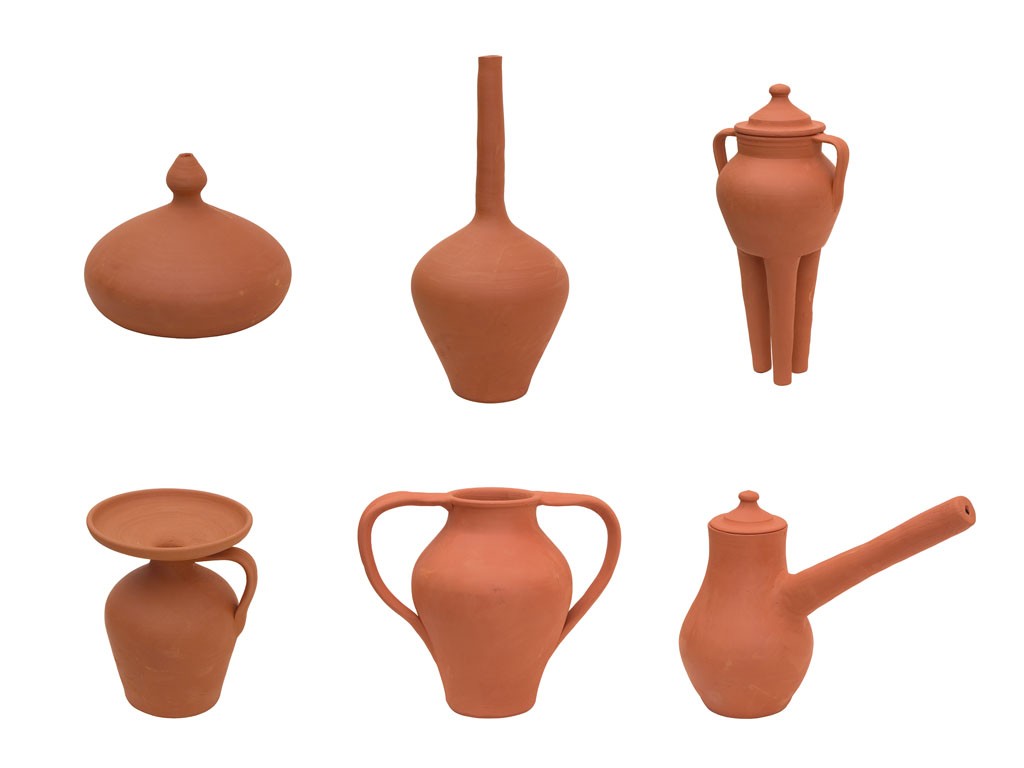
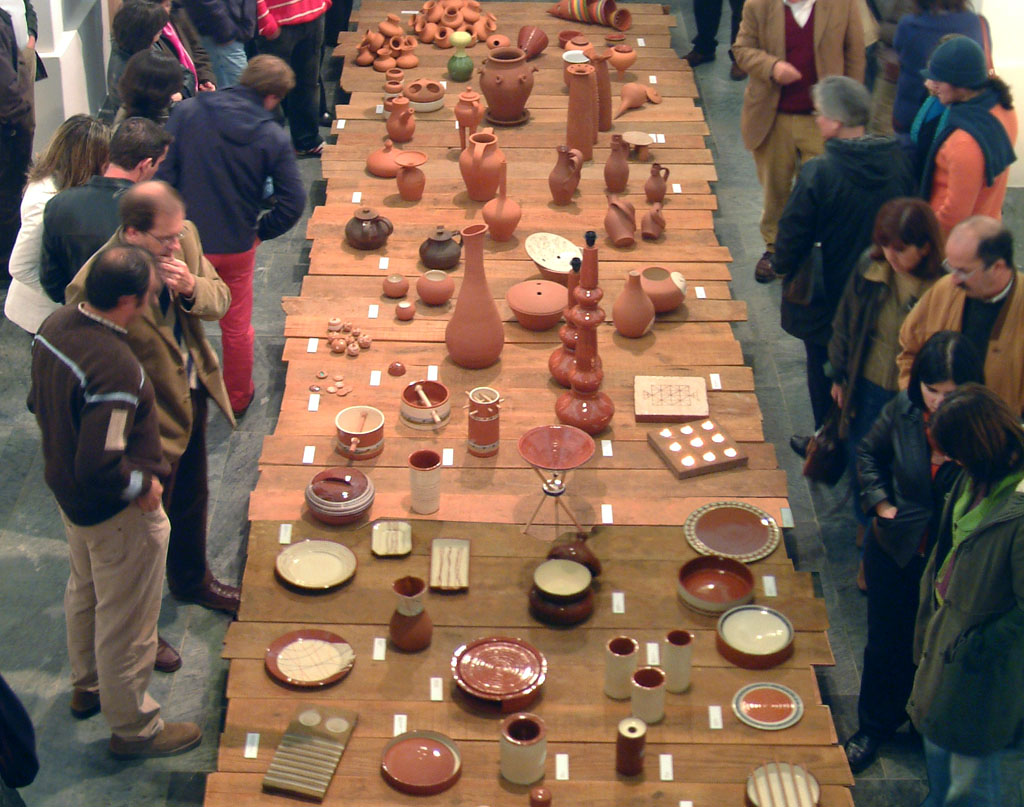
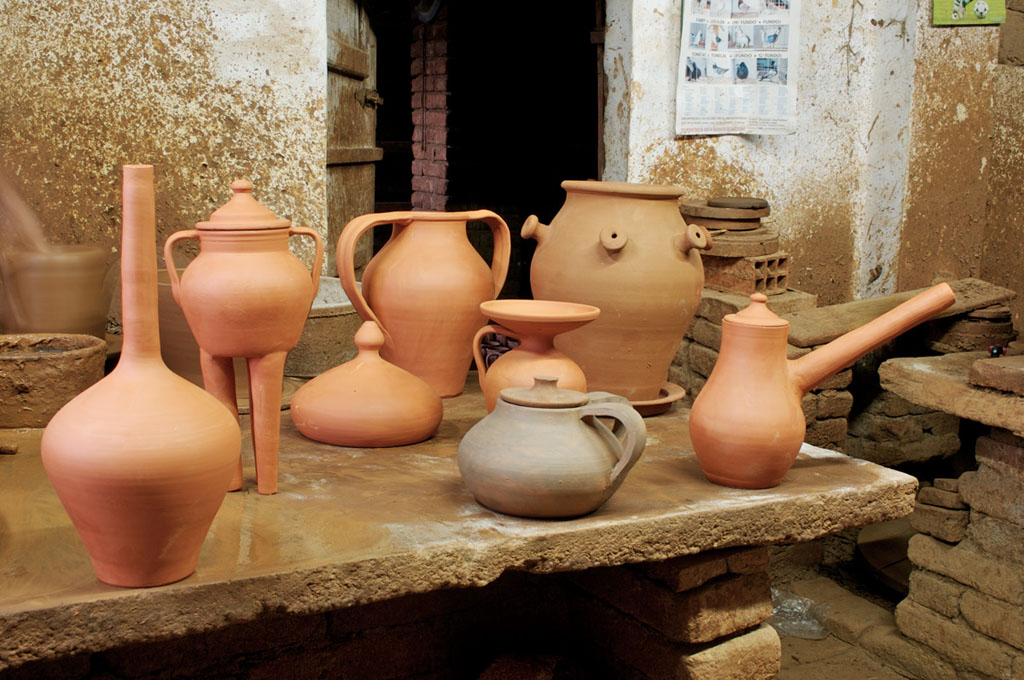
“The potteries of S. Pedro do Corval through its decorative and utilitarian handicraft pieces – made of red clay worked on a potter’s wheel, painted manually with floral motifs or Alentejo landscapes – conserve and represent an important feature of portuguese handicraft and culture. To keep these small productive units functioning is also to preserve our cultural patrimony, a rewarding task of direct responsibility of all the Portuguese.
The effort of some potters to continue this activity of ancestral roots, in a society with new necessities and requirements, must be supported and advertised at favourable moment where we evidence an increasing demand of artisan products, where each time functional aspects and aesthetics qualities are more valued. These craftsmen, as any other manufacturer, must adapt their offer to the demands of the present market and the opportunities it provides.
This project is a result of the work of a solid team integrating elements of Marketing, Design and Technology, co-ordinated by Cencal – Professional Training Center for the Ceramic Industry – and the Potteries of S. Pedro do Corval.
Beyond the preservation of a recognized cultural patrimony and regional development, the main aim of this project was the conception of new products and a new image, that may enhance the dynamism and the capacity of evolution capacities of the potters, promoting, simultaneously, an approach to new market demands.”

in Desenhar a Tradição press release


Photo credits: Pedrita studio      Photo credits: Pedrita studio Photo credits: Pedrita studioPhoto credits: Pedrita studio

Project coordination
Maria Helena Arroz and Vera Fortes (Cencal)
and Cultural Centre of S. Pedro do Corval

Exhibition and communication concept
Pedrita

Product Design consultants
Pedrita, Telma Pedro, Miguel Ferraz, Bernardo Providência, Jesus Sheriff and José Matos

Marketing consultant
Maria da Graça Guedes

Technical consultant
Paulo Oscar

Also, check “Crafter Words” by Frederico Duarte.

Fabrico Próprio

Fabrico Próprio, the Design of Semi-Industrial Portuguese Confectionery
Research + book edition
Lisbon, 2008


Video Luis Giestas

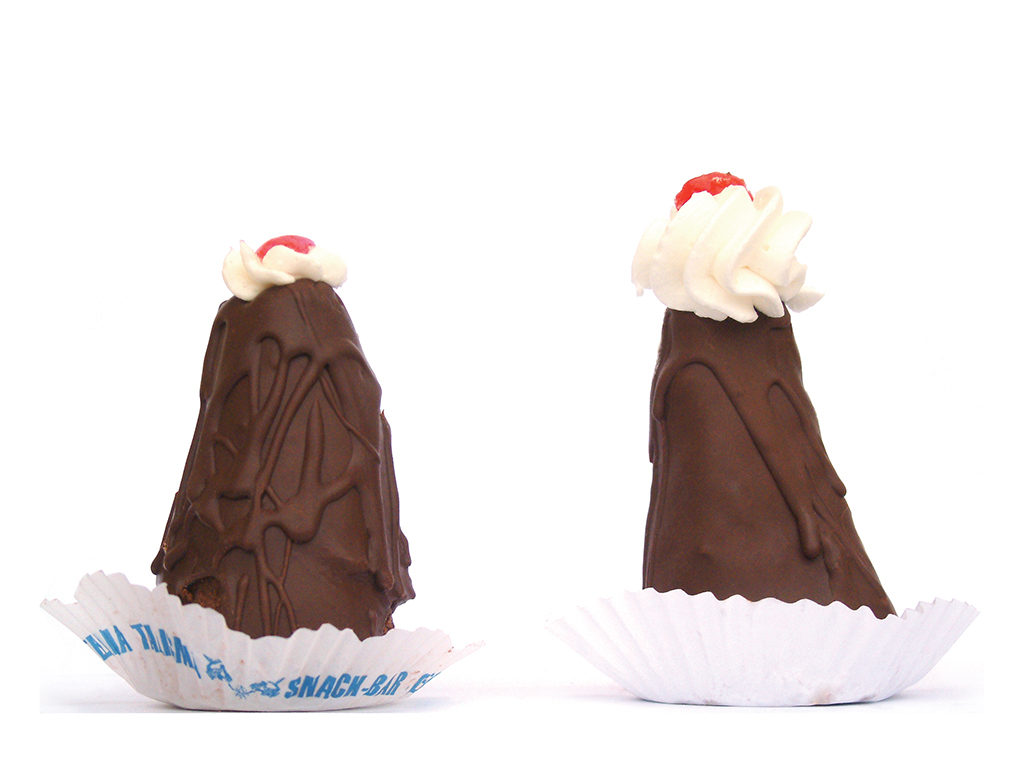
Fabrico Próprio means “Own Production” and is a term used by most cafés and cake shops in their shop signs, windows and packaging. It is a warrant of freshness and quality, but also of uniqueness and prestige, of the baked goods they sell, most of them sweet, one-portion cakes. It is a multi-disciplinary project dedicated to the Portuguese semi-industrial pastry and to its relation with the design.


illustration by joão fazenda for fabrico proprio illustration by Guida Casella for fabrico proprio

It started in January 2006 and its main result is a book dedicated to this universe and to its importance in the Portuguese culture and society. It was at first an encyclopaedic record of several specimens of Portuguese daily pastry cakes – including sometimes examples of regional pastry or conventual sweets which became part of this pastry – photographed at a scale very close to real proportions. Each “entry” of this compendium is complemented with the respective identification, ingredients, and special features and also with historic data (name origin, form and source, amongst others) found for each case. This Portuguese cakes’ collection, as complete as possible, is followed by introduction texts, historic notes and a pastry glossary, which makes this book a key document for a better knowledge of such an important part of our culture.
In order to turn this matter into a better testimony we wanted to add contributions of several Portuguese and foreign professionals which work we admire and who accepted our invitation to approach this universe via their own look and skills. These looks have the form of three essay texts and several “insertions” throughout more than 250 pages, which allow us other perspectives, many of them unexpected, of this surprising world.
Fabrico Próprio project is more than a book. Its goal is to stimulate the discussion and change of ideas between pastry professionals and individuals belonging to creative and knowledge fields. Therefore we had planned also an informal work session between pastry masters, designers, and what we call sweet addicts. All these cakes’ specialists – coming from such different fields like Philosophy, Graphic Design, anthropology or architecture – were invited to chat with the semi-industrial pastry universe and to contribute with ideas, thoughts, and suggestions not only on the base-elements of this activity – the cakes – but on anything surrounding it. All the documentation and records of this work session will soon be available at the project’s website.

   Photo credits: Soraya Vasconcelos for fabrico proprio Photo credits: Hugo Teixeira for fabrico proprio Photo credits: Pedro Garcia for fabrico proprio055 056 060 photo credits: soraya vasconcelos for fabrico proprio illustration by mestre joão de sousa

Concept, research, texts and project coordination
Pedrita
Frederico Duarte

Project production and fund raising
Rita Morgado

Project visual identity and graphic design
Atelier Carvalho Bernau

Photography
Soraya Vasconcelos
Namiko Kitaura
Pedro Garcia
Hugo Teixeira
Tomás Nogueira

Illustrations
Guida Casella
Benedita Feijó
Rui Tenreiro
João Fazenda
Júlio Dolbeth
Nuno Valério

Essays
Ana Vaz Milheiro
David Lopes Ramos
Nuno Sacramento

Special texts
Luís Royal
Katya Delimbeuf

Grão

Grão, Details of a Larger Nature
Image reproduction system using discontinued industrial tiles
Lisbon, 2007


GRAO-cao  GRAO-relogio

“Grão” is a visual composition and reproduction system that first of all aims at giving a new life to end-of-the-line, industrially produced tiles. It also aspires to become an innovative option for the rehabilitation of the urban built heritage. It recovers discontinued production tiles, using them as units of decorative cladding panels, destined both to architectural façades and to the (re)furbishment of other urban elements. Made up of hundreds, or even thousands of tiles – the “grains” that build an image of monumental presence – these panels aspire to be part of the urban landscape in a both determined and surprising way.
The “Grão” system is thus suitable for application in large surfaces (main and side façades, walls, etc.) which encompass two possible moments for visualizing a given image, each of them corresponding to a certain distancing between panel and observer: on a human scale, it applies to anyone walking close enough to the panel that he or she can see the various designs and motives of the tiles that compose it, and on an urban scale, it is perceivable to anyone passing by from a distance, and can therefore glance at the reproduced image and obtain its total perception.
For the first real-scale test, presented at the National Tile Museum in Lisbon as part of the commemorations of the 100th anniversary of its founder, Engineer Santos Simões, in July 2007, a composition was created, which would allow to demonstrate the applicability of the system. A “Still Life” was chosen as the subject to be reproduced, not so much for its significance in Art History, or for its symbology, but for being a recurring theme in the teaching and experimentation of a particular plastic expression technique, such as painting or drawing, a sort of “test image” for future creations. It was also chosen for the eminently decorative nature of this pictorial category, easily identifiable and interpretable by any observer, regardless of his or her origin, nationality or visual culture.

GRAO-cartaz-sem-letrasGRAO-cartaz

grao4_credits-leonardo-finotti

GRAO-sequencia

Concept, exhibition design and project coordination
Pedrita

Graphic design
Silvia Prudêncio

This project was rendered with AndreaMosaic software

Related links
Museu Nacional do Azulejo
Cortiço e Netos

Eikón

Eikón
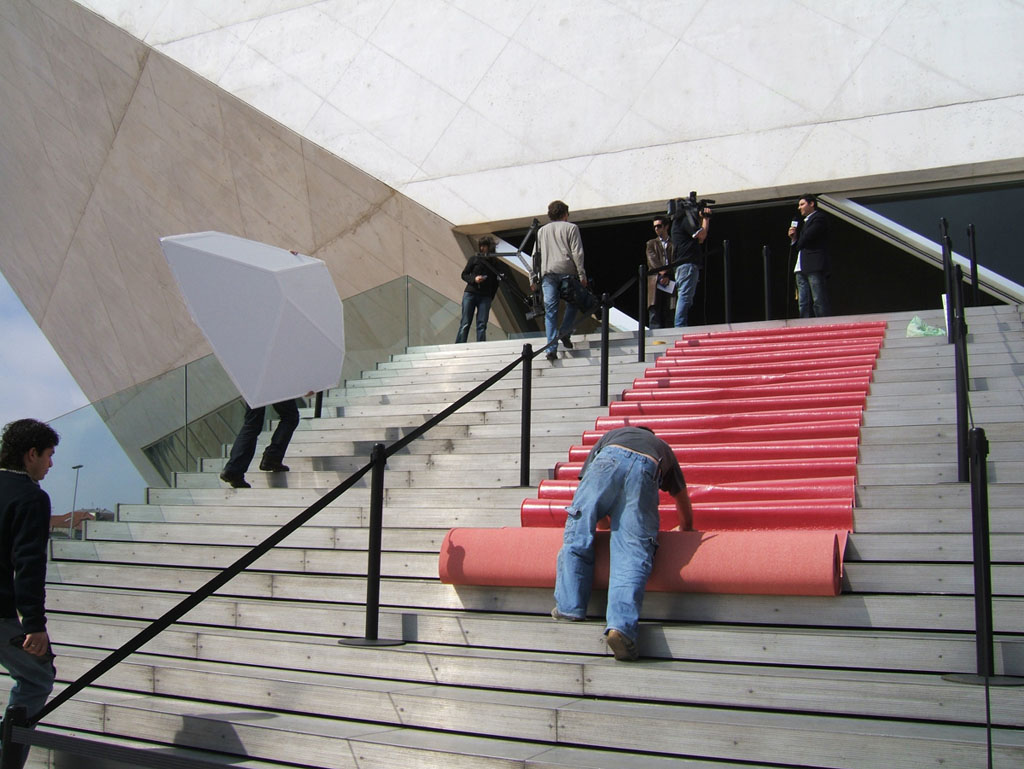
Installation for Casa da Música 2nd anniversary
Oporto, 2007


espelho-fundo-escada-01

espelho-bar-01

2007_04140227

2007_04140011

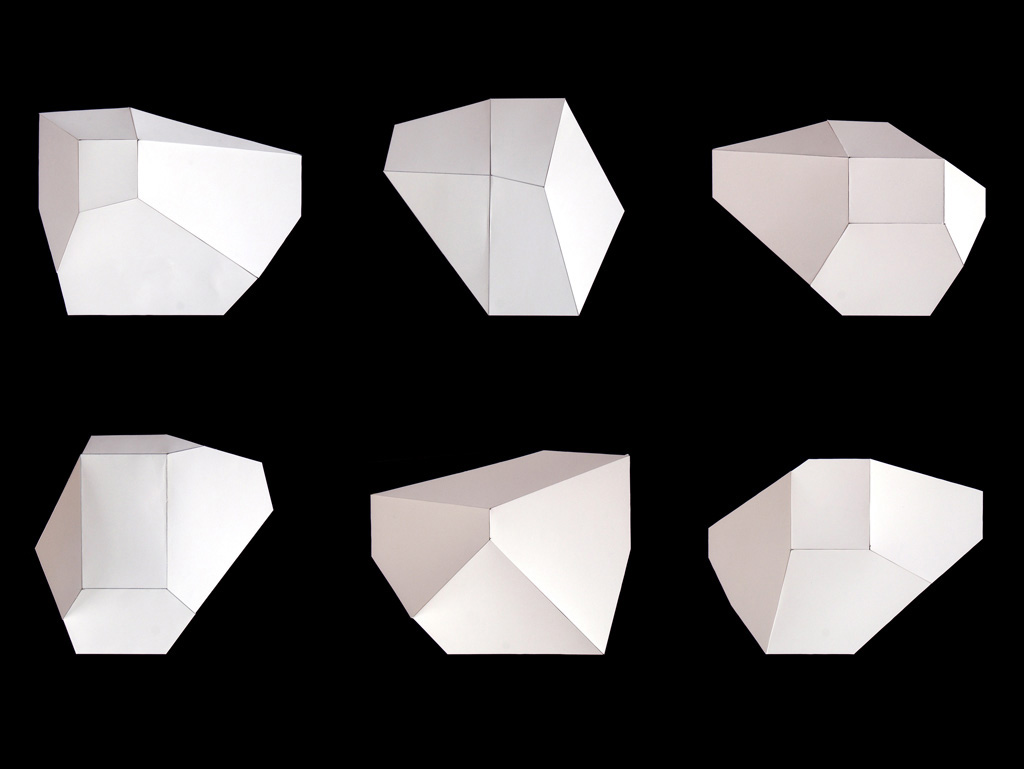
6models-01

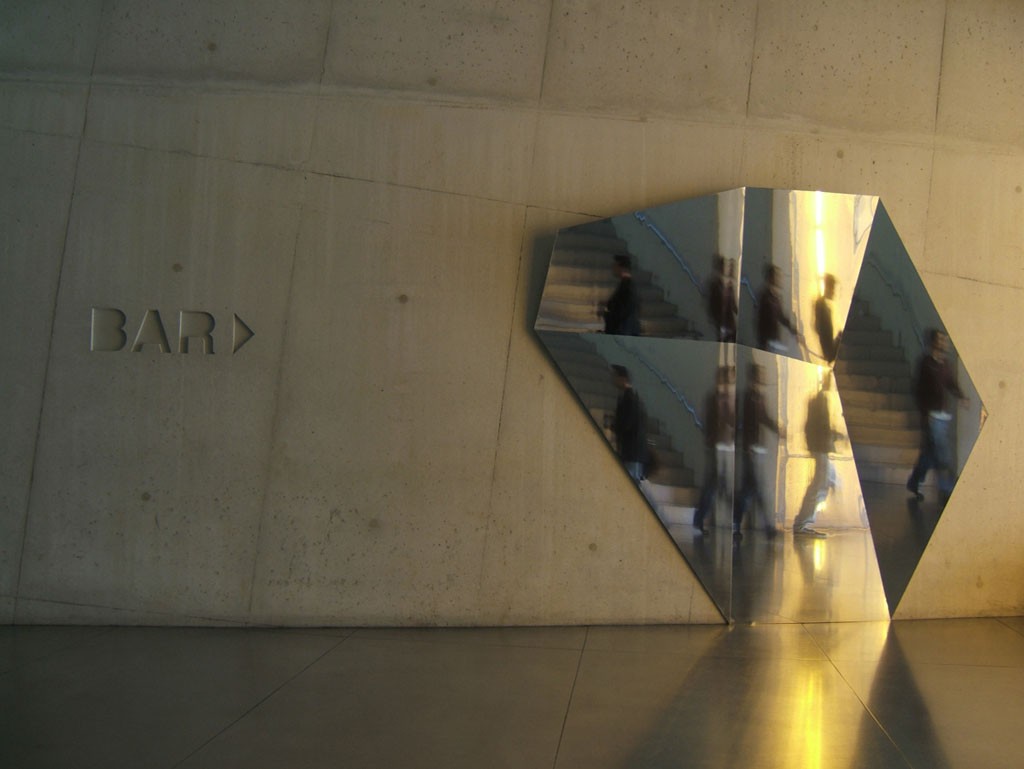
Eikón is a series of mirrors designed on the occasion of the second anniversary and the new visual identity launch of Oporto’s Casa da Música.
Following the analysis and interpretation of the mimetic communication developed by Stefan Sagmeister’s for the Concert House and Foundation, six large-scale mirrors were designed and placed around the public areas in the interior of the building.
Simultaneously reflecting the inside and the outside of Casa da Música, these mirrors unveil new perspectives on the architecture and create unexpected relations between space and its visitors.
Eikón can be considered, by its use of scale and reference to both two-dimensional imagery and three-dimensional space, as a link between Architecture and Graphic Design, as a materialization of an icon translated into human scale.

Habitar Portugal

Habitar Portugal 2003 / 2005
Art Direction and exhibition design
Lisbon, 2006

“In the edition of “Habitar Portugal 2003/2005″, we aim to bring architecture closer to the citizens. The previous experience cemented and enriched our knowledge in terms of the regulation, format, and organisation of the event. We aim higher now – mounting an exhibition to be presented in more cities, preparing a catalogue with indispensable information about every work, and participating in a renowned international show.”

Helena Roseta
Chair, Ordem dos Arquitectos

Photo credits: Soraya Vasconcelos

Photo credits: João Costa RibeiroPhoto credits: João Costa Ribeiro
Photo credits: João Costa Ribeiro

Art direction and project coordination
Pedrita
Frederico Duarte

Associated graphic design
Paulo Condez, -nada-

Architecture drawing consultant
Pedro Melo

Photography (Map)
Soraya Vasconcelos

Website
Marco Zavagno, Heads

Video
Francesco Meneghini, Heads

Transit

Transit, contributions for a new TAP universe
Curatorship
Lisbon, 2005


On behalf of the commemorations of the 60th anniversary of TAP air Portugal, Experimenta organized this exhibition as a contribute and reflection to the creative idea of Portugal as a country and as a culture and how TAP, as a flag carrier, could contribute in the transmission of this renewed national values.
Upon Experimenta and TAP invitation, Rita João and Pedro Ferreira curated this initiative and after analyzing and pointing out some of the possible intervention levels regarding the companies’ services 8 national creative teams were challenged to rethink some of the TAP standards in terms of image and services, always keeping in mind an ideal of a renovated portuguese contemporary culture.

Sound design and on board audio books
Rui Gato

On-board tableware
Gonçalo Prudêncio

Uniforms
Krvkurva

Children‘s on-board entertainment products
Rute Gomes

Client personal interface
Diogo Valério + David Pereira

Communication campaign
Flúor

Merchandising and on-board sales
Caldesign

Lounging spaces
E-studio

Alberto

Alberto
Casamania
Product
Fabrica, Treviso, 2005


Presented for the first time in 2005 at Milan’s Salone Internazionale del Mobile, this clotheshorse was part of a collection of furnishings for the garden created by Fabrica for Casamania. The distinguishing characteristic of the collection, all produced in plastic, a light, simple material, lied in the combination of concept and function for objects that both meet a practical need and make external environments aesthetically more pleasant.

Available for purchase at Casamania resellers.

Dedo, salt and spices shaker

Dedo, salt and spices shaker
Product
Treviso, 2004

Photo credits: Pedrita studio Photo credits: Pedrita studio
Photo credits: Pedrita studio

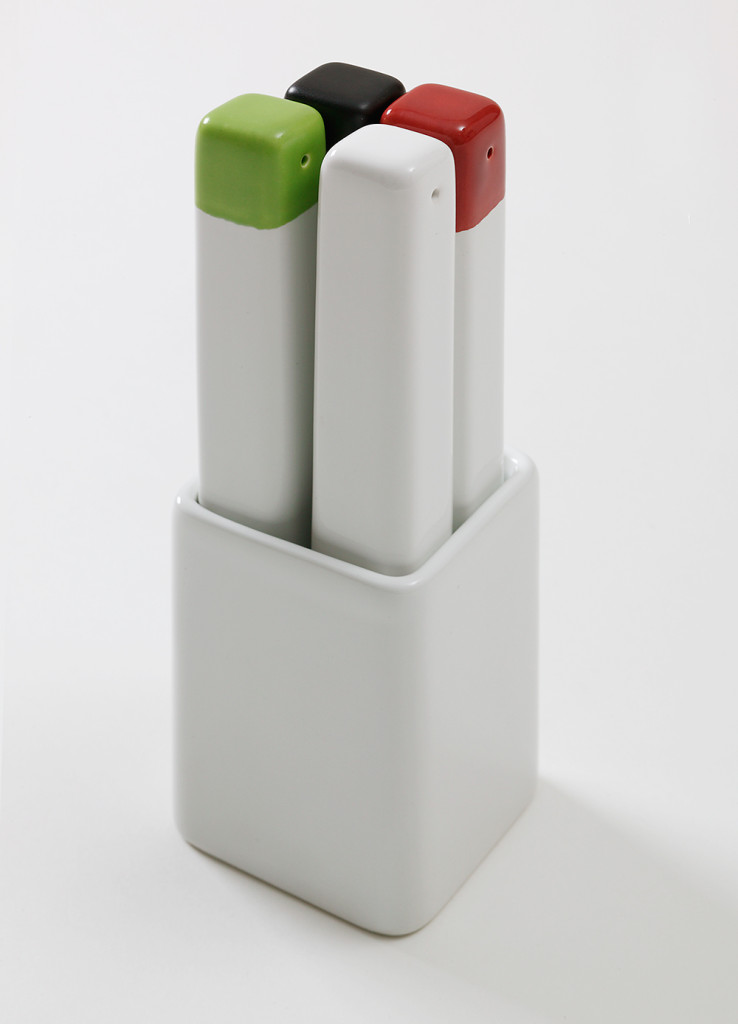
Specially designed for italian tables, Dedo is a spices shaker that can hold 4 different kinds of condiments. The colored tips help to identify the different contents allowing a direct color reference: green for oregano, red for peperoncino, black for pepper and white for salt. It’s shape its an allusion to fairy sticks as a parallel of spices as magic powders to add some fantasy into food.

Dedo is part of Bosa utilities collection.

Liquid Lights

photo nienke klunder

Liquid Lights
Fabrica
Product
Treviso, 2004


Photo credits: Nienke Klunder Photo credits: Nienke Klunder Photo credits: Nienke Klunder Photo credits: Nienke Klunder
Photo credits: Nienke Klunder

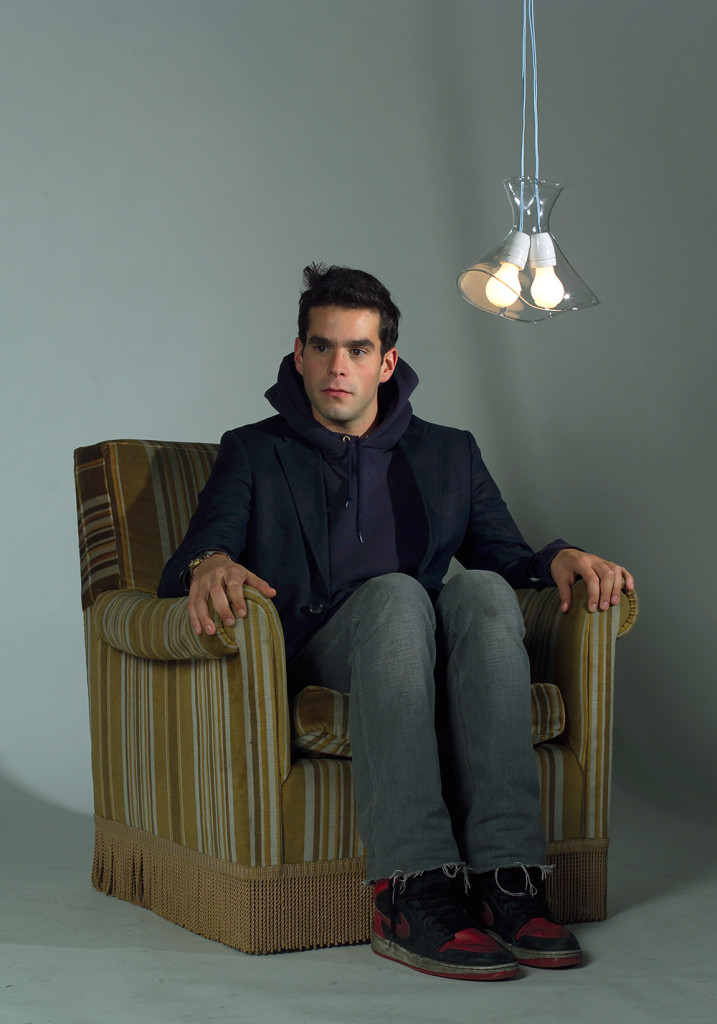
“This is the story of an experimental project with an happy ending. A group of young designers from a variety of backgrounds took over master pyrex craftsman Massimo Lunardon’s workshop for a day, ready to give their imaginations free rein. The result is a completely unprecedented collection of lamps, having been designed and made on a spot, without either moulds or technical plans, making each of them an unique item. The project bears the seal of Fabrica and as reached the market through Metalarte, which has taken immense care not to lose the magic of the hand made product.”

Metalarte